Giant AbroadFund

An international fund · Est. 2019 · Eleven countries

Water and classrooms,
verified on the ground.

Giant Abroad Fund finances clean water and education infrastructure where the need is measured, not assumed. We publish every ledger line, revisit every site, and report what we find — including what fails.

Loading globe…
13°54′S 33°47′E — Chikondi, MalawiDrag globe to explore

Field Dispatches

Reports from the places your money goes

Each dispatch is written from a site visit, not a press release. Figures are drawn from our public ledger and re-verified on the ground twice a year.

Dispatch 01

Lake Region, Malawi

ACTIVE
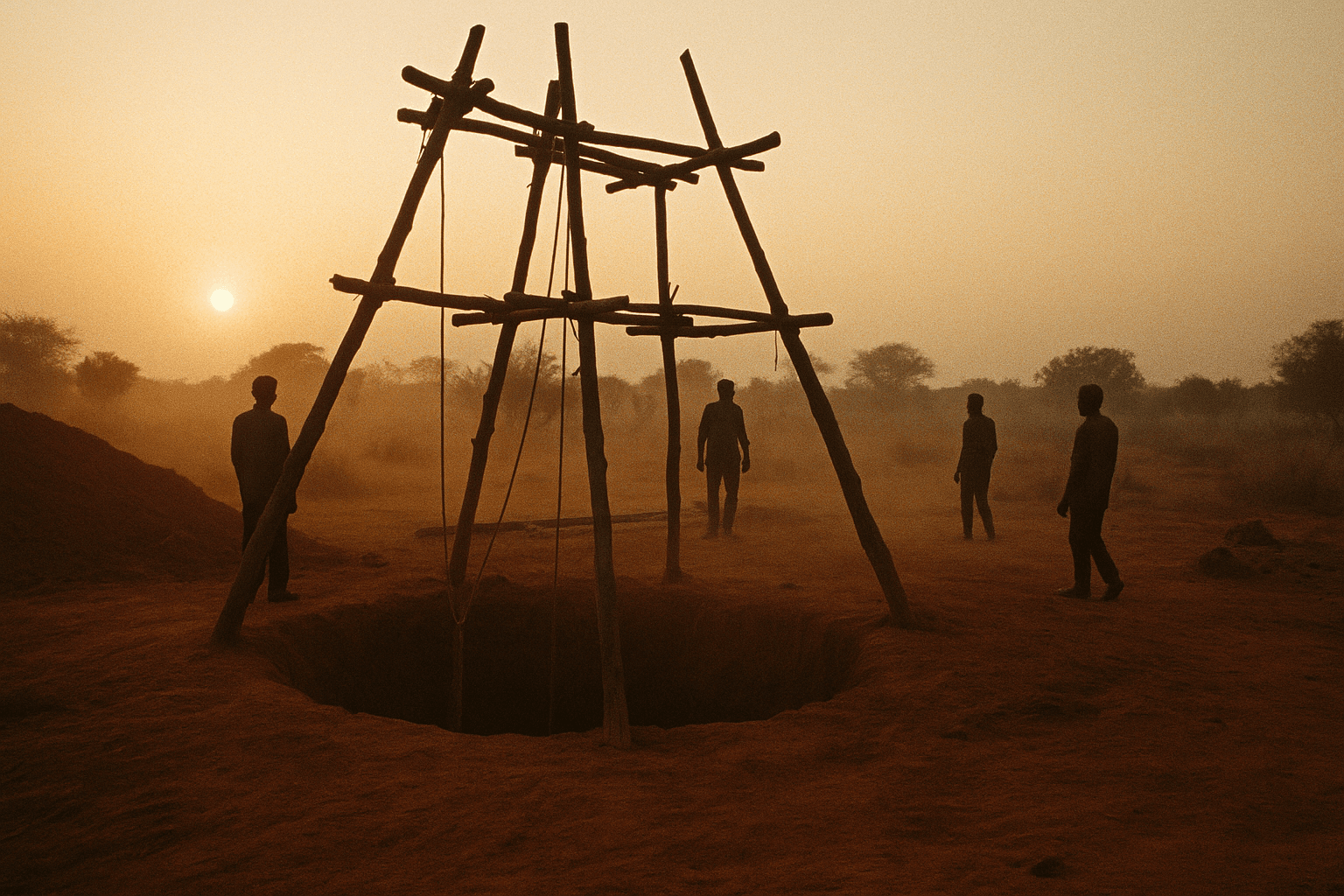
Wide shot of a hand-dug well construction site at dawn, workers silhouetted against low golden light on red earth
Borehole 9 of 14, Chikondi village — drilling crew at first light, June 2026

Fourteen boreholes along the Lilongwe floodplain

The floodplain west of Lake Malawi holds water eleven months of the year. Almost none of it is safe to drink. In Chikondi, the nearest tested source was a nine-kilometer round trip, usually walked twice a day, usually by girls who should have been in class.

We are drilling fourteen boreholes across six villages, each fitted with an Afridev handpump and a locally elected maintenance committee that holds its own repair fund. Nine are flowing. The remaining five are scheduled before the November rains close the access roads.

9 / 14
Boreholes flowing
6,200
People within 500 m of safe water
$41
Cost per person served

Dispatch 02

Karnali Province, Nepal

COMPLETED

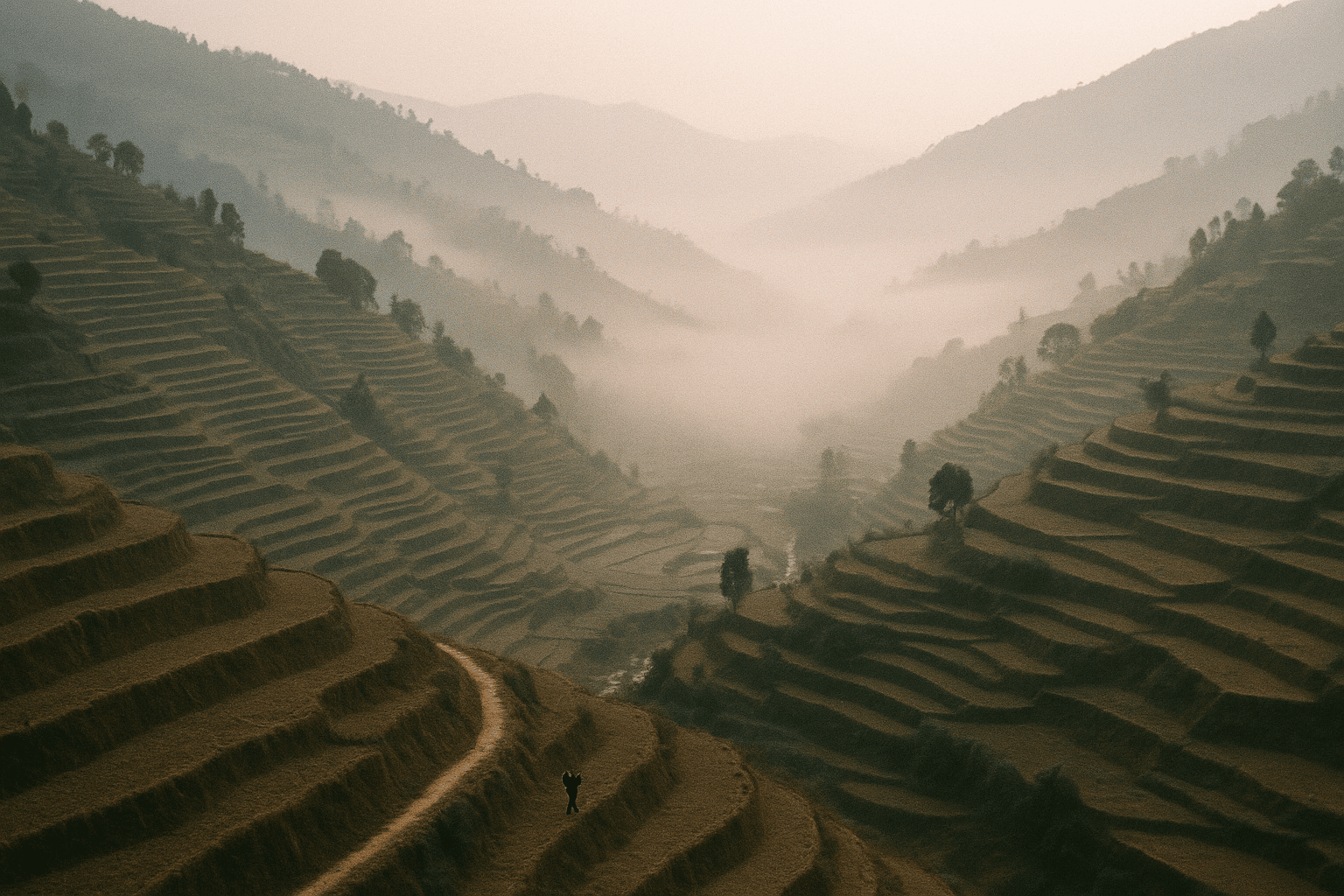
Aerial view of terraced highlands at dawn with mist in the valleys and a footpath winding between terraces
The porter route to Serigaun — every bag of cement walked in, 2,400 m elevation

Three classrooms above the Tila river

There is no road to Serigaun. Every bag of cement, every sheet of roofing, every box of exercise books came up the porter trail from the Tila river valley — a six-hour climb. The village had a school on paper. In practice it had one room, a dirt floor, and 84 enrolled children.

The three-classroom block opened in April 2026, built to Nepal's post-2015 seismic code by a crew hired within the district. Enrollment is up to 117. The district education office, not us, pays the two new teachers — which is the point.

117
Children enrolled, up from 84
1,900
Porter loads carried in
100%
Teacher salaries carried by district

Dispatch 03

Puno Region, Peru

ACTIVE

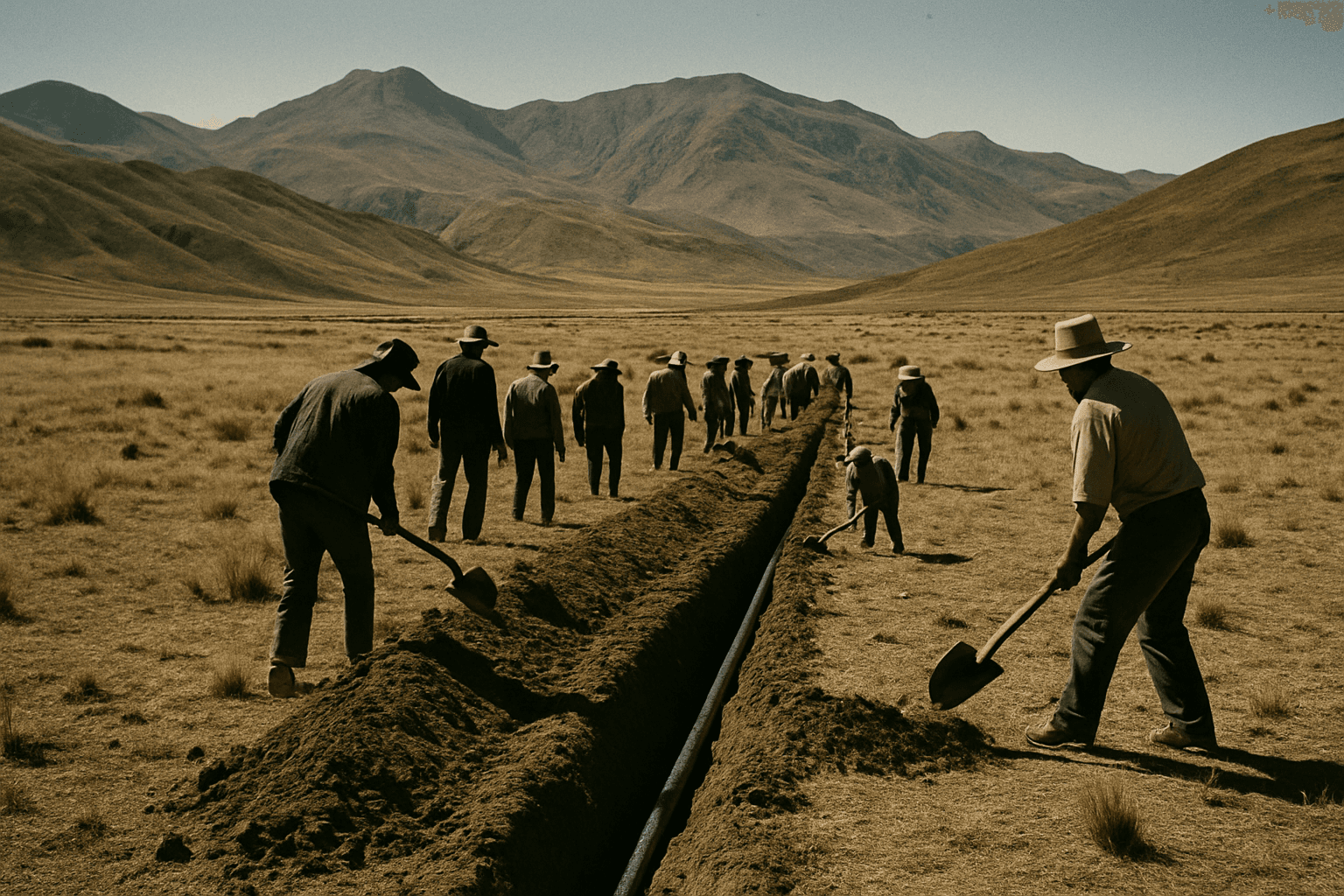
Wide shot of workers laying a water pipeline trench across dry high-plateau terrain with mountains behind
Kilometer 11 of the Ccotos gravity main — trenching at 3,900 m, May 2026

A gravity line across the altiplano

The spring above Ccotos runs clean and cold all year. The village sits 340 vertical meters below it. For decades that gap was covered by a failing 1980s pipe that lost most of its flow to cracks and froze every July.

The new gravity-fed main is 17 kilometers of HDPE pipe, trenched below frost depth by work crews from the four communities it serves. No pumps, no fuel, no electricity bill — the mountain does the work. Water committees in each community set tariffs of about one sol per family per month for upkeep.

17 km
Pipeline trenched below frost line
4
Communities on the line
0
Pumps, fuel, or grid power required

Dispatch 04

Turkana County, Kenya

COMPLETED

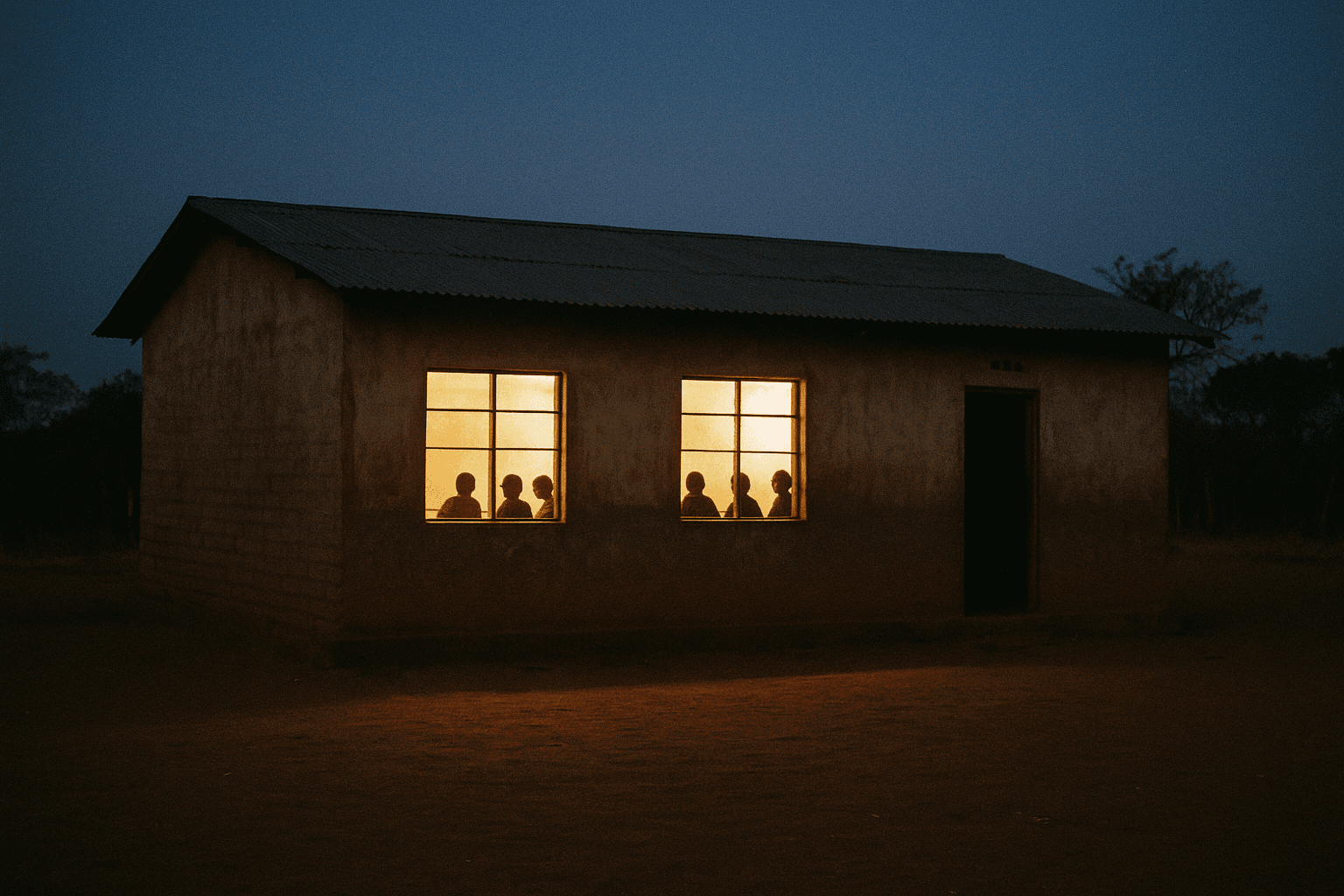
Small concrete school building at dusk with warm solar-powered light glowing from its windows under a deep blue sky
Evening study hours, Lokitaung primary — solar array commissioned March 2026

Light after dark at Lokitaung school

Lokitaung's primary school had desks, books, and teachers. What it did not have was light. Sunset ends the school day fast this close to the equator, and kerosene costs what a family here earns in an afternoon.

A 12-kilowatt solar array and battery bank now run the school's six classrooms, a staff room, and evening study hours four nights a week. Exam-year students log the extra time; attendance at evening sessions has held above ninety percent since March. The county has asked us to price the same system for three neighboring schools.

12 kW
Solar array with battery storage
4 nights
Evening study sessions per week
412
Students with light to work by
0
Projects completed since 2019
0
Countries with active work
0K
People with safe water access
0%
Two-year site checks passed

Where the money goes

Accountability isn’t a page on our site. It’s the operating model.

In fiscal year 2025 we disbursed $4.1 million. Here is how it divided, audited by Renner & Halloway LLP and reconciled against the public ledger.

Project construction & materials
74%
Field verification & engineering review
11%
Local maintenance endowments
9%
Administration & fundraising
6%
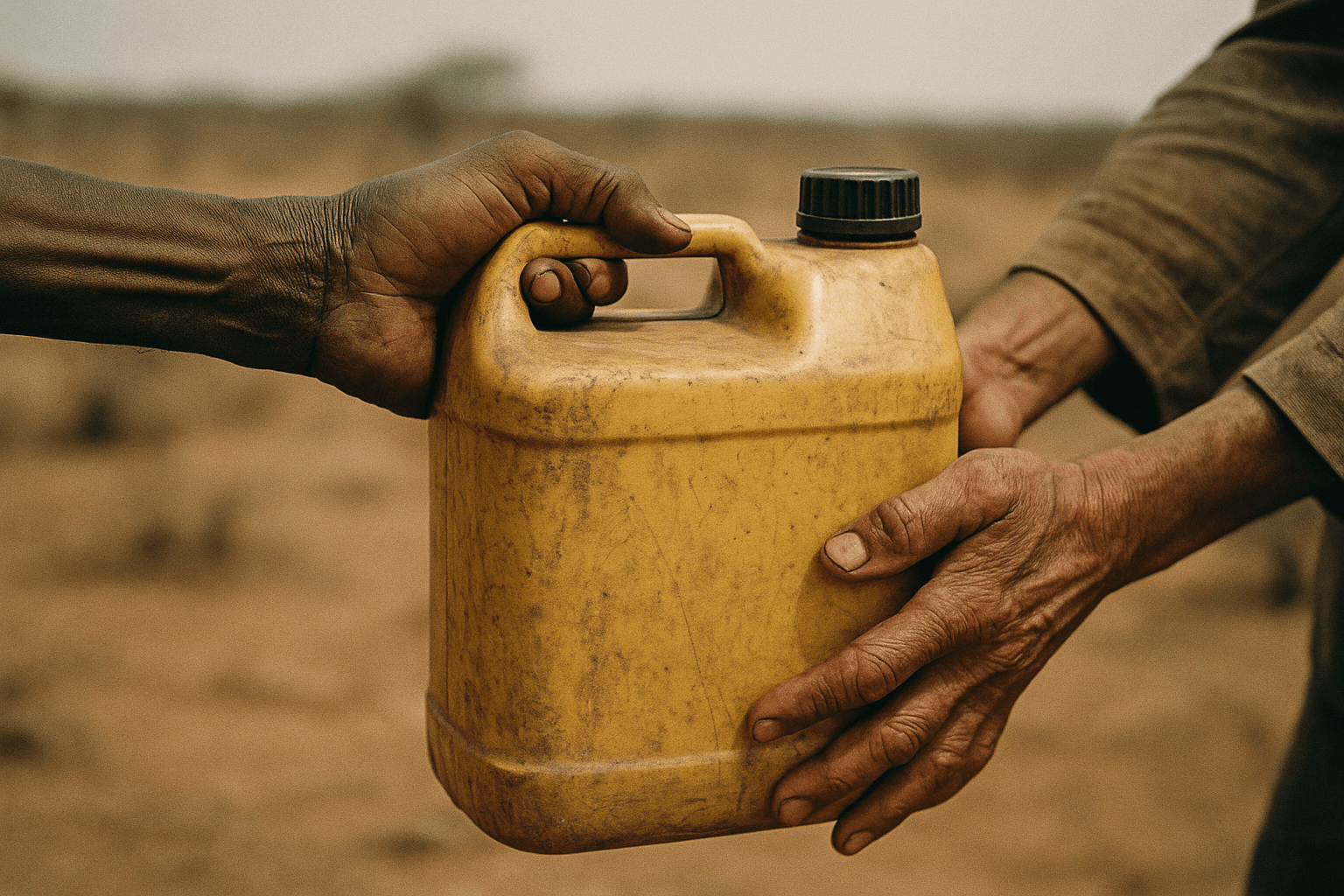
Weathered hands passing a yellow jerrycan of water between two people in a dry landscape
Handover day at borehole 7, Chikondi — the committee takes the keys, June 2026
01

The ledger is public

Every disbursement over $500 is published within 30 days — payee, purpose, project, and exchange rate. The full ledger is downloadable as a spreadsheet. If you can't find a dollar, neither can we, and that's a problem we want reported.

02

Someone goes back

A funded project isn't finished when the ribbon is cut. Our field engineers revisit every site at six months and two years. Of 63 completed projects, 58 passed their two-year check. The five that didn't are listed on our failures page with what went wrong.

03

Local hands hold the keys

We don't own wells and we don't run schools. Water committees set their own tariffs. District offices pay the teachers. If a project can't survive our exit, we shouldn't have built it — so exit is designed in from day one.